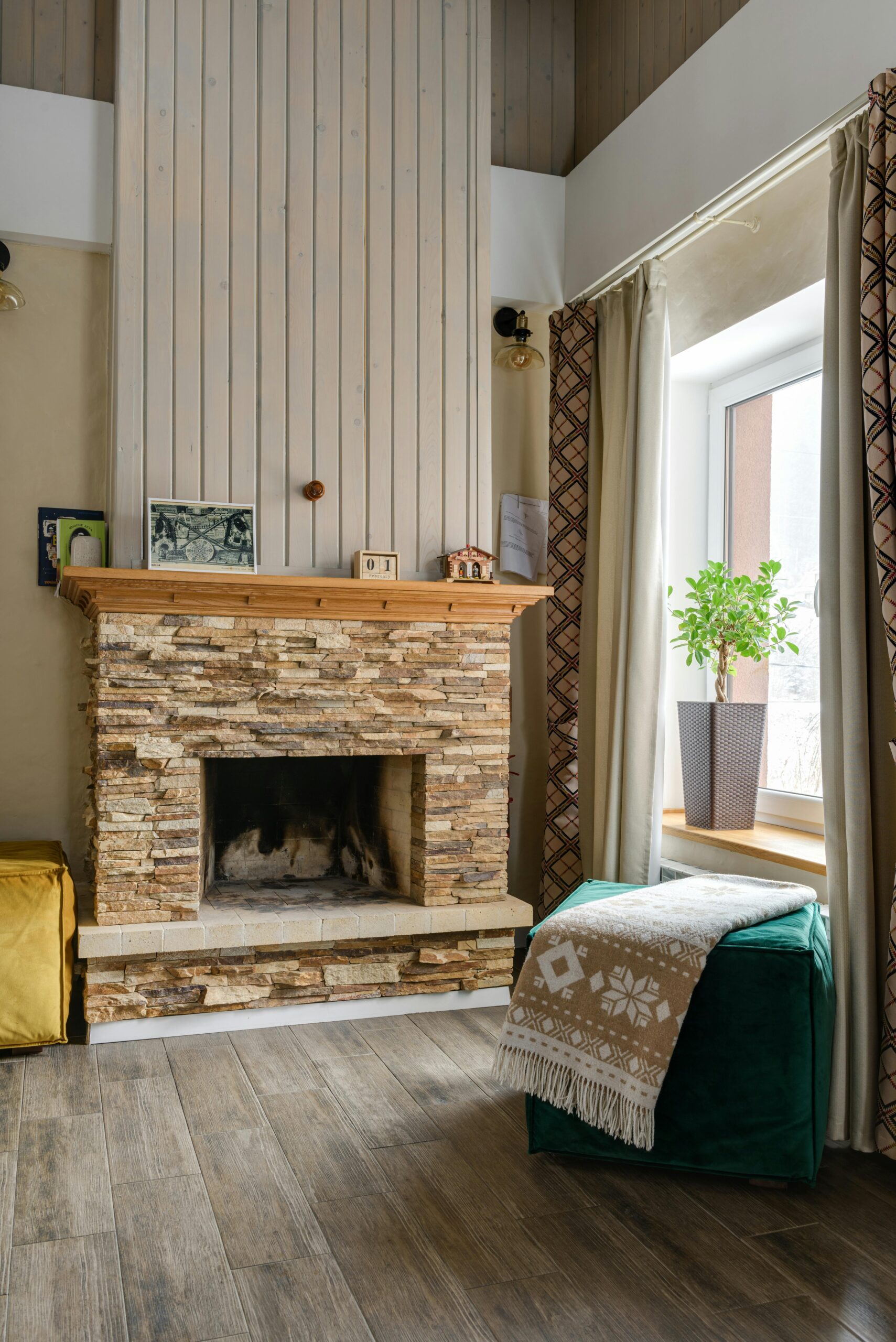
A warm home feels even better when you know your fireplace is operating safely and efficiently. Fireplace maintenance is not only about avoiding a breakdown on the coldest night of the year. It also supports cleaner indoor air, steadier heat output, and long-term reliability for gas, wood, and direct-vent systems. At Premier Fireplace Services, we help homeowners stay ahead of issues with detailed inspections, professional cleaning, and dependable repairs designed for real-world winter use.
Even high-quality fireplaces change over time. Normal use can lead to small shifts in ignition performance, burner operation, and venting efficiency. Seasonal temperature swings, wind, and altitude-related draft conditions can also influence how consistently a unit starts, burns, and exhausts. When routine service is skipped, small problems can show up as delayed ignition, uneven flames, reduced warmth, or an appliance that cycles unpredictably. You may also notice odors, soot, or residue on the glass and surrounding finishes—often a sign that airflow or combustion isn’t as clean as it should be.
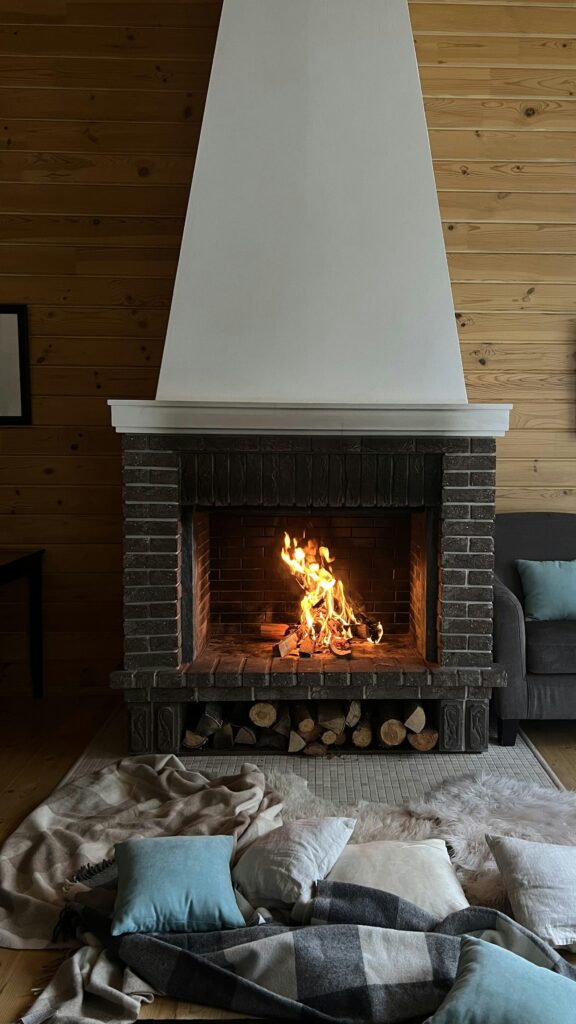
The bigger concern is safety. Any fuel-burning system relies on proper venting and clean airflow to operate correctly. When components wear or venting becomes restricted, the risk of drafting problems increases. Fireplace maintenance helps confirm that exhaust is flowing as intended, safety controls are functioning, and the system is operating within safe parameters. An annual visit is one of the most reliable ways to catch early signs of trouble before they affect comfort—or create avoidable hazards.
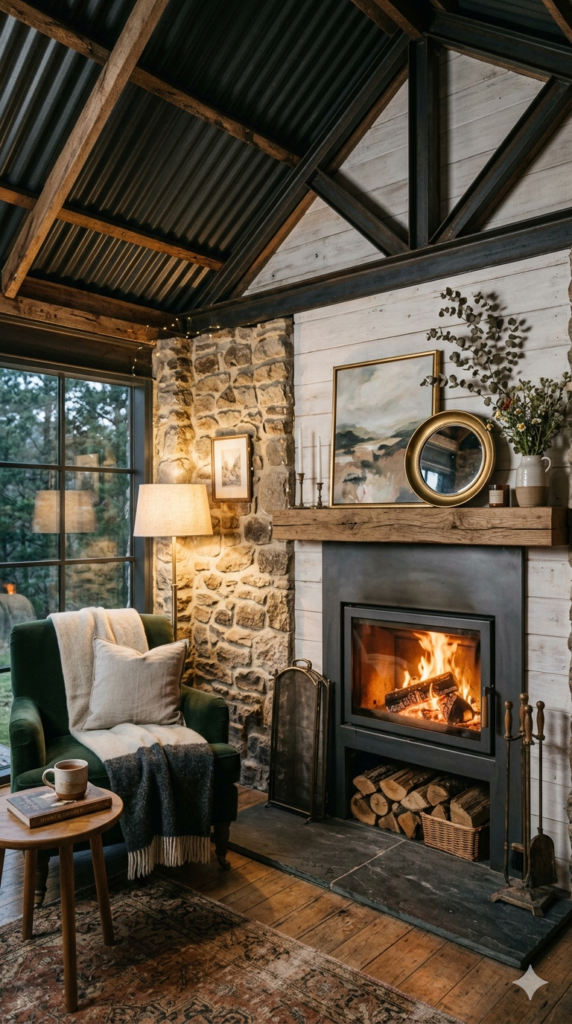
So what happens during a professional service appointment? A thorough maintenance visit focuses on both condition and performance. Technicians inspect key parts such as ignition components, burners, safety sensors, controls, and venting pathways. Cleaning is performed where appropriate, and the unit is tested under operating conditions to confirm smooth startups, stable flames, and proper shutdown. In mountain environments especially, verifying draft and vent performance is a crucial step, because elevation and weather patterns can amplify minor issues that might go unnoticed elsewhere. The goal is simple: consistent heat, fewer surprises, and a system you can trust through the season.
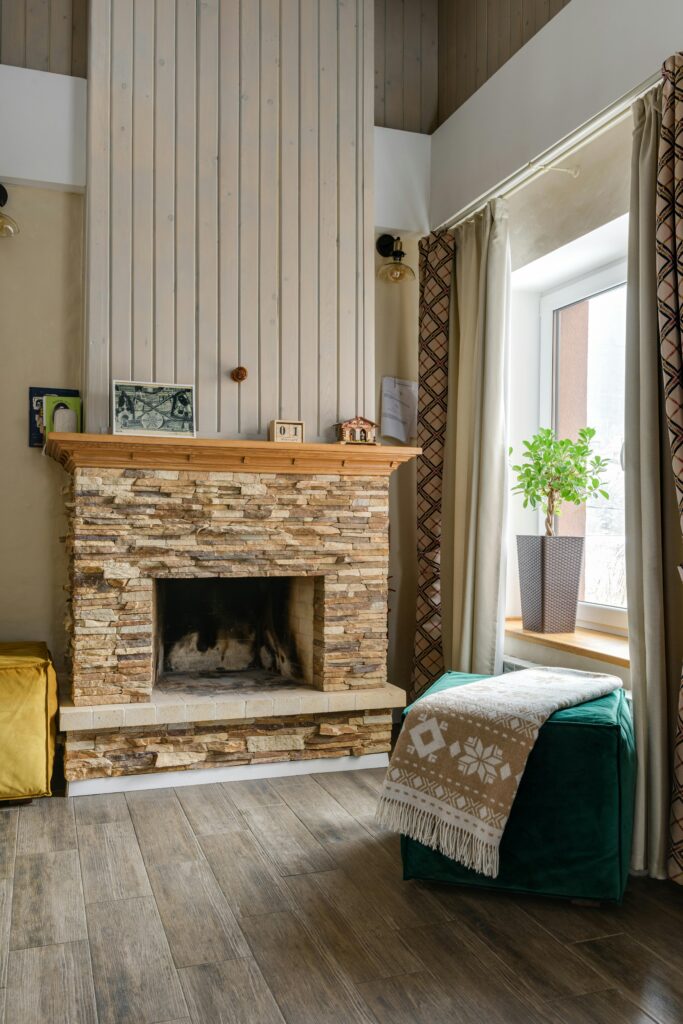
Between service visits, homeowners can watch for signs that it’s time to schedule an inspection sooner. If you notice weak heat output, unusual noises, frequent shutdowns, or a flame pattern that looks inconsistent, it’s worth getting it checked. Strong odors when the unit runs, visible soot, or residue on the glass can also point to airflow or combustion issues. These symptoms don’t always mean a major repair is required, but they do indicate your fireplace may not be running at its best—and that safety or efficiency could be declining.